Planning a first trip to Gilgit-Baltistan can feel daunting from the outside: questions about visas, permits, dizzying mountain roads and unfamiliar logistics tend to pile up quickly. The reality is far more manageable than the internet sometimes suggests, especially with a little local know-how on your side. This guide walks you through the practical decisions in plain terms, so you can arrive relaxed and spend your energy on the mountains rather than the paperwork.
Visas and the Pakistan e-visa
For most international travellers, the journey begins with a visa. Pakistan offers an online e-visa system that has made the process considerably simpler in recent years, with applications submitted and tracked online rather than through a physical embassy queue.
Eligibility, requirements and fees do change from time to time, and they vary by nationality, so the single most reliable thing you can do is check the official Pakistan e-visa portal for the current rules before you book anything. Treat third-party blogs (including this one) as orientation, not gospel, when it comes to exact figures.
A few sensible habits go a long way:
- Apply with comfortable lead time rather than days before departure.
- Have your documents scanned and ready, and keep digital and printed copies of your approval.
- If anything is unclear, ask. We're happy to point you toward the right official resources and share what fellow travellers have experienced recently.
Permits and NOCs
Beyond the visa, some parts of Gilgit-Baltistan require a No Objection Certificate, usually shortened to NOC. In short, an NOC is an official permit that grants access to certain restricted or border areas and some trekking zones. They exist for safety and security reasons, and they are a normal part of travel here rather than a red flag.
The good news is that you almost never need to wrestle with this yourself. A local tour operator can arrange the necessary NOCs on your behalf, submitting the paperwork, liaising with the relevant authorities and timing everything so your permits are ready when you are. This is precisely the kind of behind-the-scenes work that turns a logistically complex trip into a smooth one.
Because the specifics of which areas require an NOC can shift, it's best to keep this part of your planning a conversation rather than a checklist. Tell us where you'd like to go, and we'll tell you exactly what's needed and handle it for you.
When to go
The broad answer is straightforward: the season runs roughly from May to October, when the high passes are open, the valleys are green or golden, and the weather is at its most cooperative. Within that window, the best time depends on what you're chasing, whether that's spring blossom, peak summer trekking, or autumn colour.
We've written a fuller breakdown in our guide to the best time to visit Gilgit-Baltistan, which is worth a read once you've settled on the kind of trip you want.
Getting there
There are two classic ways into Gilgit-Baltistan, and many travellers combine them, flying one way and driving the other.
Flying
You can fly from Islamabad to either Gilgit or Skardu. These flights are genuinely spectacular, threading between some of the highest mountains on earth, and on a clear day they are an unforgettable part of the journey.
There is an honest caveat, though, and it matters. These routes are weather-dependent and are frequently delayed or cancelled at short notice. This isn't a sign of anything going wrong; it's simply mountain flying, where safety rightly comes first. The practical takeaway is to build buffer days into your itinerary so that a cancelled flight rearranges your schedule rather than ruining it. We always plan with this in mind and keep an overland alternative in our back pocket.
Overland on the Karakoram Highway
The other option is the Karakoram Highway, one of the world's great road journeys. Travelling overland trades speed for reliability and scenery you can actually stop and savour. It's a longer day on the road, but it rewards you with a slow, cinematic unfolding of the landscape that flying simply skips over.
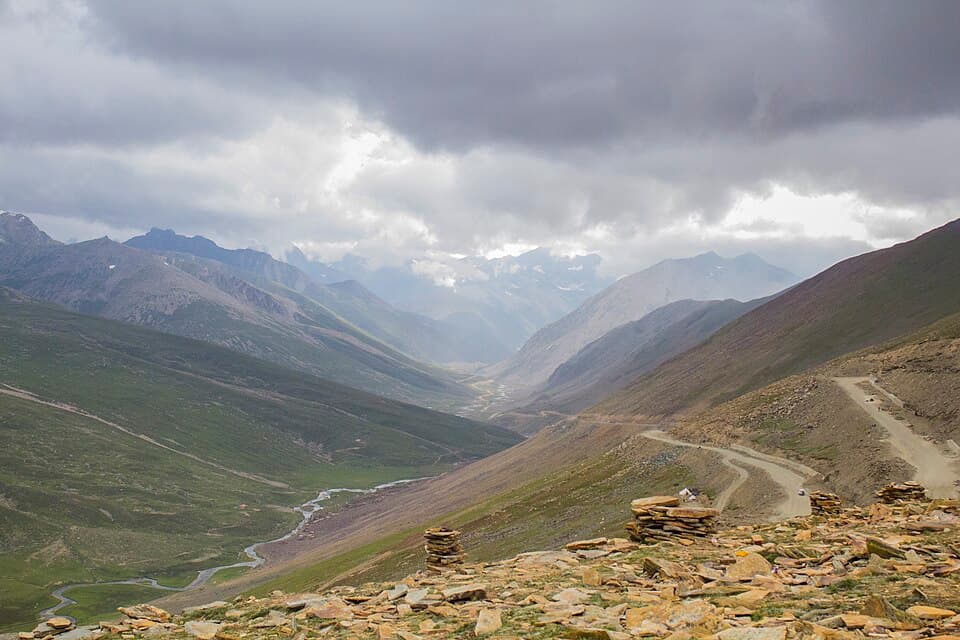
In summer there's a third flourish worth knowing about: the Babusar Pass (4,173 m), reached via the Kaghan Valley, opens as a scenic road entry into the region. It's a high, dramatic crossing and a memorable way to arrive, weather and season permitting.
Whichever way you come, a maintained, insured 4x4 and a driver who was born on these roads make an enormous difference, both to comfort and to peace of mind.
What to pack
Mountain weather is a study in contrasts: warm sun by day, sharp cold at altitude, and conditions that can change within an hour. Pack for layers and adaptability rather than a single forecast. Here's a practical starting list:
- Warm layers, even in summer, as evenings and high altitude get genuinely cold
- A good warm and waterproof jacket
- Sturdy, broken-in footwear suited to uneven ground
- Strong sun protection: high-altitude sun is intense, so bring high-factor sunscreen, lip balm, sunglasses and a hat
- A refillable water bottle, to stay hydrated and to leave no trace
- A power bank, as electricity can be patchy, especially in remote valleys
- Personal first-aid supplies and any medication you rely on, in your carry-on
- Modest clothing that respects local culture, which is also simply practical and comfortable
A small, soft daypack for excursions and a headtorch are worthwhile additions. Beyond that, resist the urge to overpack; you'll be glad of a lighter bag on the road.
Money and connectivity
Two practical points smooth out daily life here enormously.
First, carry cash. Cards are rarely accepted outside the main cities, so plan to draw and carry enough local currency for your time in the valleys, kept securely and in a couple of places rather than all together. Your guide can advise on sensible amounts.
Second, expect mobile coverage to be good in towns and patchy on treks and in remote areas. A local SIM card helps considerably for staying connected when you do have signal, and it's easy to sort out. On longer treks, plan to be offline for stretches and let people at home know not to worry, which is part of the appeal.
Altitude and health
Gilgit-Baltistan is high country, and altitude deserves respect rather than anxiety. The reliable rules are simple: ascend gradually, hydrate well, and give your body time to acclimatise before pushing higher. A well-paced itinerary builds in acclimatisation naturally, which is one reason we plan ascents the way we do.
If you have any underlying health conditions, talk to your doctor before you travel, bring your medication in your hand luggage, and tell your guide. Our teams are first-aid trained, and knowing your needs in advance helps us look after you properly.
A quick word on safety
Many travellers' biggest unspoken question is simply whether Pakistan is safe to visit. It's a fair question and one that deserves a thoughtful, honest answer rather than either alarmism or dismissal. We've addressed it in detail in our guide to whether Pakistan is safe for tourists, drawing on more than a decade of guiding here.
The short version: with local expertise, sensible planning and a team who knows the ground, Gilgit-Baltistan is a welcoming and rewarding place to travel.
How we make planning effortless
This is where having a genuinely local partner changes everything. Gilgit Adventure Club has been guiding in these valleys for more than 12 years, with guides and drivers who were born here and know the mountains as home rather than as a destination.
In practice, that means we arrange your NOCs and permits, plan around flight cancellations with buffer days and overland alternatives, and run maintained, insured 4x4s with first-aid-trained teams. We work WhatsApp-first and aim to send you a tailored itinerary within 24 hours, so planning feels like a conversation rather than a research project.
Every trip is shaped around your route, group and dates, with indicative pricing until confirmed, so the best next step is to message us for a tailored quote based on exactly what you have in mind. You can reach us on WhatsApp at +92 348 991 0011, share your dates and ideas through our trip planner, or simply get in touch.
Frequently asked questions
Do I need a visa to visit Gilgit-Baltistan?
Yes, most international travellers need a visa for Pakistan, and many can apply through the online e-visa system. Eligibility and fees vary by nationality and change over time, so check the official Pakistan e-visa portal for current rules, and feel free to ask us if anything is unclear.
What is an NOC and do I have to arrange it myself?
An NOC, or No Objection Certificate, is an official permit required for certain restricted and border areas and some trekking zones. You generally don't need to handle it yourself; a local operator like us can arrange the necessary permits on your behalf.
Should I fly or drive into the region?
Both work well. Flights from Islamabad to Gilgit or Skardu are scenic but weather-dependent and often delayed or cancelled, so build in buffer days. The Karakoram Highway is more reliable and beautiful in its own right, with the Babusar Pass offering a striking summer entry. Many travellers do one of each.
Can I use my cards, or do I need cash?
Plan to carry cash. Cards are rarely accepted outside the main cities, and ATMs are limited in the valleys, so bring enough local currency for your trip and keep it secure.
Ready when you are
Planning a trip to Gilgit-Baltistan is far less complicated than it first appears, particularly once the permits, flights and logistics are in hands that know the terrain. Get those foundations right and what's left is the good part: long mountain roads, glacier-fed rivers and valleys that stay with you long after you've gone home.
When you're ready to turn the idea into a plan, tell us what you have in mind and we'll send you a tailored itinerary within 24 hours.